آنچه در این مقاله میخوانید
🔍 What is Botox?
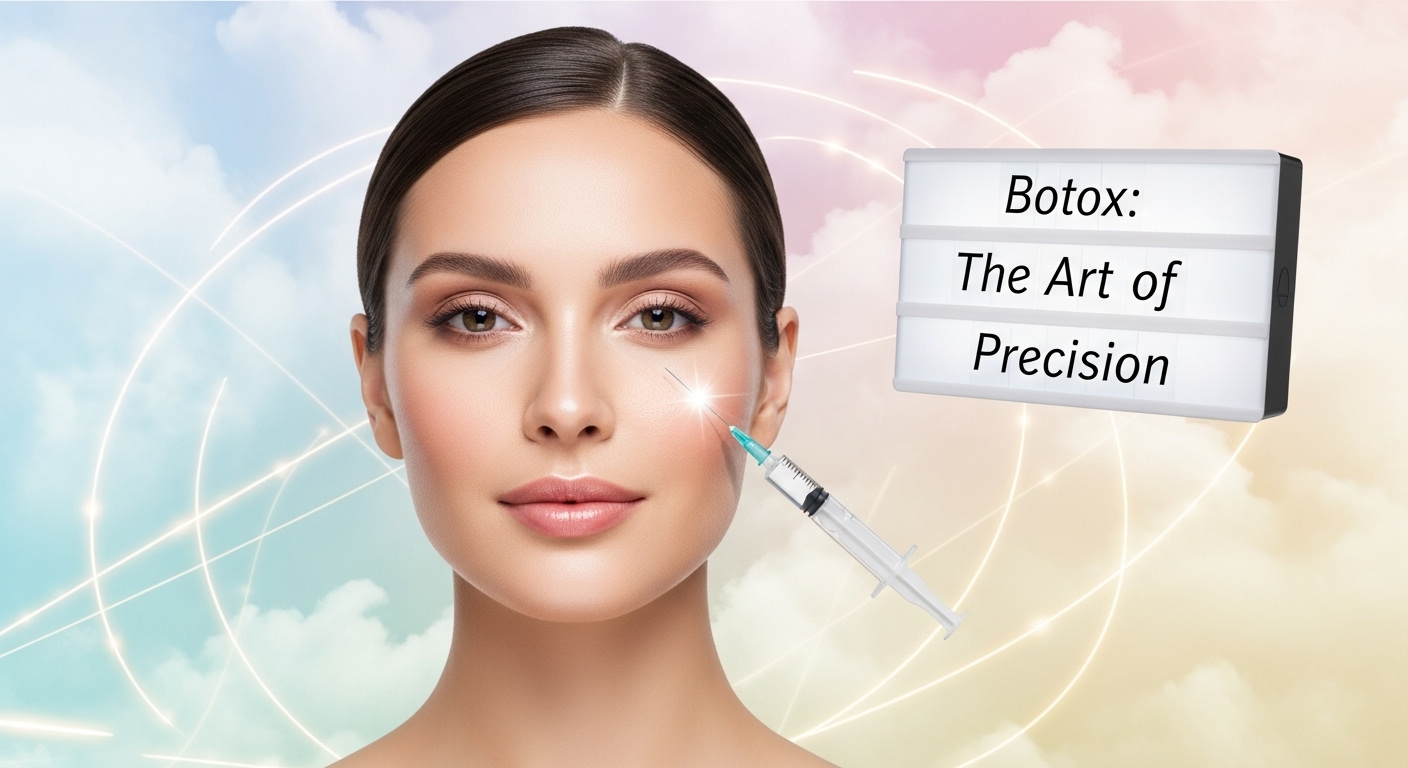
Botox is the trade name for botulinum toxin, a purified neurotoxic protein produced by Clostridium botulinum. In carefully controlled medical doses, Botox has become one of the most versatile tools in modern medicine. While most people associate it with wrinkle reduction, the reality is that Botox extends far beyond cosmetic enhancement, playing critical roles in therapeutic medicine and functional rehabilitation. Its mechanism is based on temporarily blocking nerve signals to muscles, leading to controlled relaxation. This selective neuromodulation has made Botox an unparalleled solution for conditions ranging from facial aesthetics to neurological disorders.
✨ How Did Botox Emerge in Modern Medicine?
The history of this treatment is remarkable. It was first explored in ophthalmology for conditions such as strabismus, where its precise ability to relax targeted muscles became evident. Over time, regulatory authorities including the FDA recognized its value and gradually approved new indications, both cosmetic and therapeutic. Today, botulinum toxin injections are administered in more than 90 countries and are considered a global standard of care in dermatology, plastic surgery, and neurology. Its widespread adoption reflects a rare combination of safety, predictable results, and versatility that few other injectables can offer.
💉 Why is Botox So Popular in Aesthetics?
The human face is highly expressive, and over time, repetitive muscle movements gradually form dynamic wrinkles. Injectable neuromodulators, such as Botox, relax these muscles, softening frown lines, forehead creases, and crow’s feet while preserving natural expressions. Patients appreciate that the effect becomes visible within days and lasts several months, offering a refreshed look without surgery. Beyond surface beauty, this treatment restores balance between facial muscle activity and skin smoothness, promoting a more harmonious appearance. In an era dominated by high-definition cameras and constant social presence, many people rely on it to maintain confidence and present their best selves.
🧬 Medical Applications of Botox
Beyond cosmetic benefits, Botox has established itself as a valuable therapeutic tool. Physicians use it to help patients suffering from chronic migraines, hyperhidrosis (excessive sweating), cervical dystonia, and bruxism (teeth grinding). In these medical contexts, the goal is not appearance but functional improvement and relief from discomfort. For example, individuals with severe headaches unresponsive to medication may find significant improvement through targeted injections. Patients with overactive jaw muscles often regain comfort, while those with neurological muscle spasms benefit from restored control. This dual role — enhancing beauty while addressing medical needs — is what makes the treatment truly unique.
🌐 Cultural and Psychological Dimensions of Botox
Over the years, Botox has grown into a cultural phenomenon. In some societies, it is associated with preserving youth and vitality, while in others, it is valued more for therapeutic relief. Patients often describe the impact not only in physical terms but also in how they feel about themselves. A smoother forehead or a more relaxed jawline often translates into greater confidence during social and professional interactions. Psychologists suggest that reducing facial tension through such treatments can even lessen perceived stress, creating a positive effect on emotional well-being.
🔍 Safety Profile and Clinical Considerations
When administered by a qualified physician, Botox is considered one of the safest minimally invasive procedures in modern practice. Side effects are generally mild, such as temporary redness or slight bruising at the injection site. Rarely, transient muscle weakness or asymmetry may occur, but these are reversible. Safety lies in dosage precision and anatomical expertise, which is why patients are advised to seek board-certified specialists. Importantly, Botox does not travel throughout the body in cosmetic doses; it remains localized to the treated area, ensuring predictable outcomes.
💡 How Long Do Results Last?
The duration of Botox varies with metabolism, muscle strength, and treatment area. On average, cosmetic results last three to four months. Therapeutic applications, such as migraine relief, may persist even longer depending on the protocol. Patients often schedule maintenance sessions every two to three years to maintain their results. Over time, many report that treated muscles adapt, leading to longer-lasting smoothness even with reduced dosage. This cumulative benefit is one of the reasons Botox remains unmatched in popularity.
🌟 Innovation and the Future of Botox
The future of Botox is promising. Research is underway to develop longer-lasting formulations and alternative delivery systems such as topical applications and slow-release injectables. Advances in imaging technology are allowing physicians to map facial muscles with extraordinary accuracy, leading to more personalized treatments. Artificial intelligence is even being explored to predict optimal dosing strategies for individual patients. These innovations point toward an era where Botox will not only smooth wrinkles but also serve as a cornerstone of regenerative and precision medicine.
❓ FAQs about Botox
Q: How does the treatment work?
A: It blocks nerve signals to targeted muscles, leading to temporary relaxation and smoother skin.
Q: Is it only cosmetic?
A: No. Beyond wrinkle reduction, doctors use Botox for migraines, teeth grinding, excessive sweating, and muscle spasms.
Q: When will I see results?
A: Most patients notice visible changes in 3–5 days, with peak effect in about two weeks.
Q: Do injections hurt?
A: The sensation is mild, similar to a quick pinch, and usually well tolerated without anesthesia.
Q: Will my face look natural?
A: Yes. When performed by a skilled physician, Botox preserves natural expressions while softening lines.

🌟 Why Trust Dr. Mani Arash Rad?
Dr. Mani Arash Rad is a recognized specialist in facial aesthetics, jawline contour, and advanced Botox treatments. His expertise ensures results that are both natural and tailored to each patient’s needs. He combines medical knowledge with an artistic approach, offering both cosmetic and therapeutic Botox solutions for a wide range of conditions.
📍 Address: Tehran, Iran, Saadat Abad, Sarv Gharbi, Bakhshayesh St., Fifteenth Street West, Sinam Medical Building, Third Floor, Unit 11
📞 Contact numbers:
02122364547
02126760580
09197890709
🕒 Working hours: Saturday, Monday, and Wednesday — 3:00 pm to 8:00 pm
💬 WhatsApp: 09197890709
🌐 Website: www.drmaniarash.com