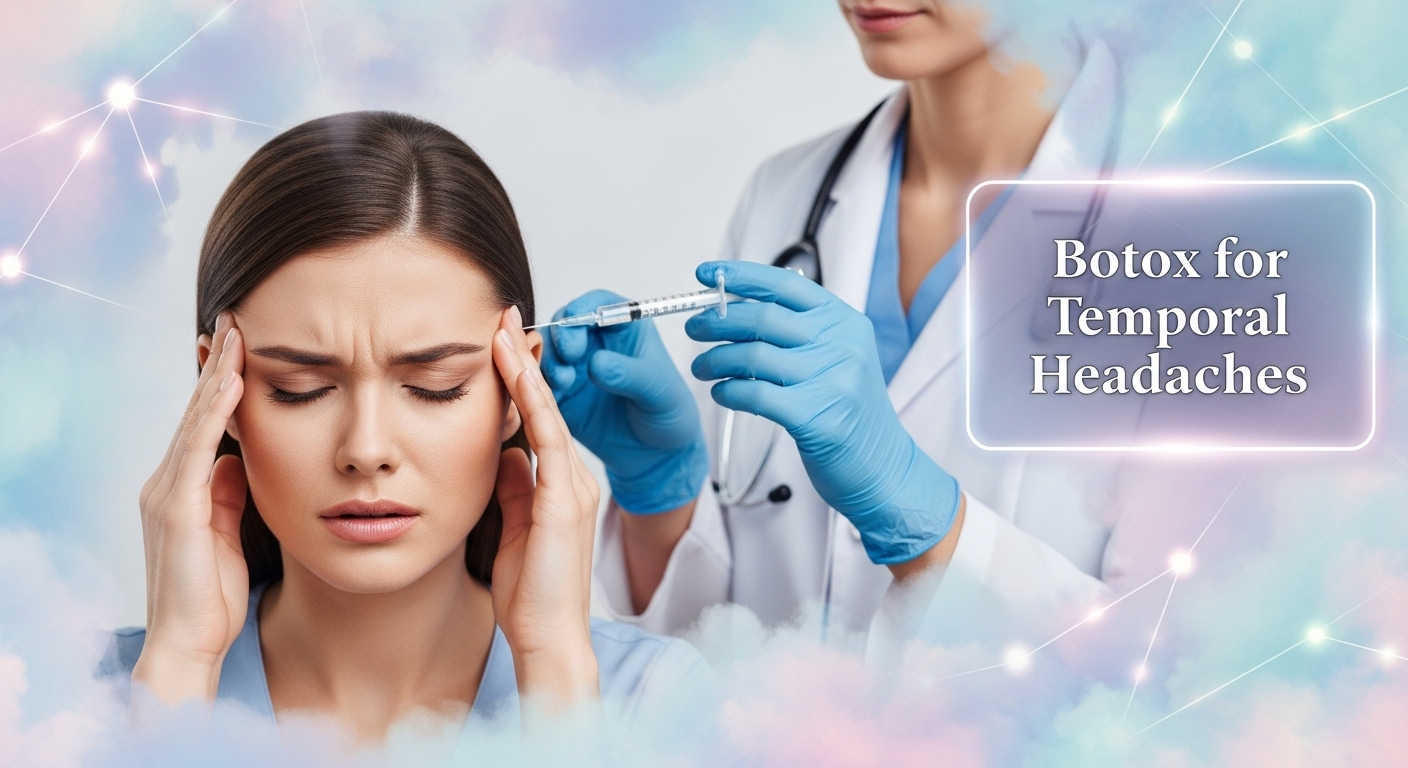
Botox for temporal headaches has become a cornerstone of modern pain management, offering targeted relief for patients whose lives are disrupted by persistent temple pain. Unlike over-the-counter analgesics or long-term preventive medications, Botox acts directly at the source: the hyperactive muscles and nerve pathways that generate pain in the temporal region. This distinction is crucial, as many patients with chronic temporal headaches cycle through various drugs with limited efficacy and unwanted side effects.
The therapeutic gap in headache care is significant. Standard medications reduce intensity temporarily but often fail to break the vicious cycle of muscle tension, nerve hyperactivity, and recurring pain. Botox for temporal headaches reframes treatment by providing localized, minimally invasive intervention that modulates nerve signals without affecting overall brain function. Its benefits extend beyond symptom relief — many patients report better concentration, improved sleep, and a renewed sense of stability.
What makes this therapy transformative is its interdisciplinary impact. Neurologists see reductions in headache frequency, dentists observe improved jaw function in overlapping bruxism cases, and psychologists highlight the emotional liberation patients feel once chronic pain subsides. While not a permanent cure, Botox for temporal headaches represents a paradigm shift: a scientifically validated, patient-centered solution that bridges neurology, aesthetics, and rehabilitation. For individuals who once considered temple pain an unavoidable burden, this therapy redefines the possibilities of living free from the grip of chronic discomfort.
آنچه در این مقاله میخوانید
✨ The Weight of Temporal Headaches
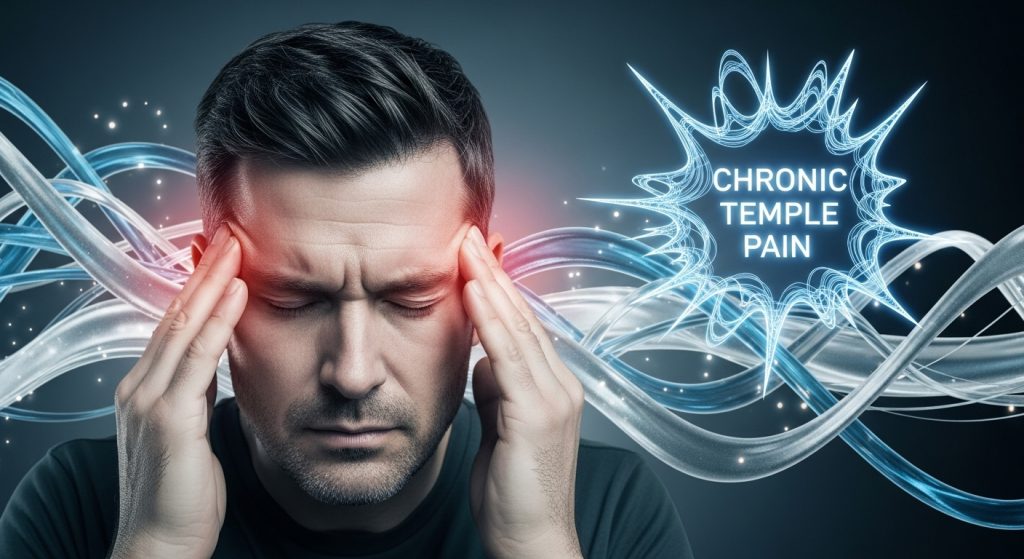
Temple pain may appear trivial compared to migraines or cluster headaches, but for those who endure it daily, the impact is profound. Patients describe an invisible pressure pressing against the temples, a tight band wrapping around the head, or sudden throbs that interrupt work and social life. Over time, these headaches reshape not only physical routines but emotional resilience. People learn to cancel plans, avoid bright lights, or carry painkillers in every pocket — subtle habits that silently govern their lives.
🔬 Why Conventional Care Often Fails
Traditional approaches to temporal headaches include nonsteroidal anti-inflammatory drugs, triptans, and preventive medications such as beta-blockers or antidepressants. While these provide partial relief, they rarely address the root cause: neuromuscular overactivity in the temporal region. Long-term medication use also introduces risks — gastrointestinal irritation, cardiovascular strain, or diminished efficacy due to tolerance. The gap is clear: patients need a treatment that targets the origin of their pain without systemic side effects.
💉 Botox as a Redefinition of Therapy
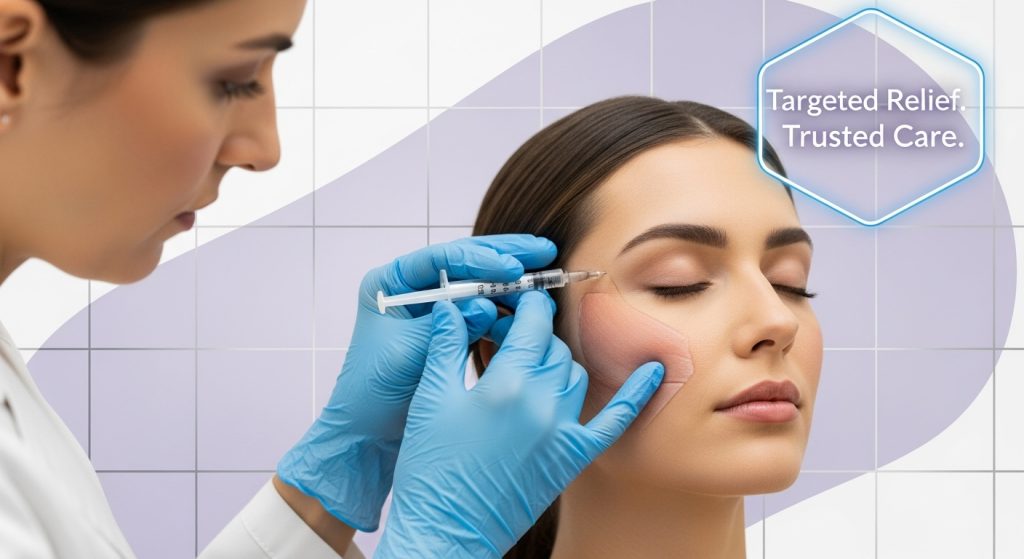
Botox for temporal headaches shifts the narrative by focusing on precision. Small injections into the temporalis muscle reduce hyperactive contractions and modulate pain signaling pathways. Instead of masking symptoms, Botox recalibrates the neuromuscular environment, giving the nervous system a chance to “reset.”
Patients often notice fewer headache days within weeks, accompanied by reduced reliance on medication. Unlike systemic drugs, Botox does not affect the entire body, making it both safer and more predictable. For many, this transition from reactive pill-taking to proactive pain prevention is life-changing.

🌐 Patient Experiences
One patient, a 35-year-old graphic designer, recalled how temple pain forced her to stop working mid-project. After her second session of Botox, she described her days as “finally clear — my creativity returned because my head was no longer my enemy.” Another, a 42-year-old lawyer, emphasized how the therapy allowed him to sit through court sessions without the distraction of throbbing temples.
These narratives reveal the deeper value of Botox: it restores agency, allowing patients to reclaim control of their professional and personal identities.
💡 Broader Implications
The significance of Botox for temporal headaches reaches beyond individual relief. By reducing headache frequency, the therapy lowers healthcare costs, minimizes work absences, and enhances overall productivity. Psychologically, it alleviates the constant anxiety of “when will the next headache strike?” Socially, it enables patients to participate fully in life without fear of sudden pain. In this sense, Botox is more than a treatment; it is a tool for social reintegration.
🔍 Honest Reflections and Future Questions
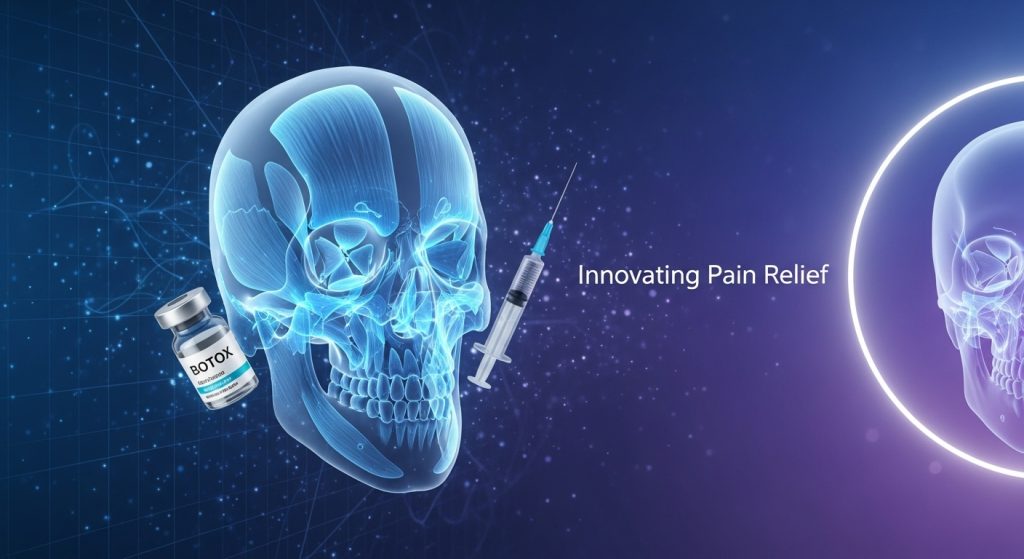
Despite its promise, Botox is not a panacea. Effects last three to four months, requiring ongoing sessions. Not every patient responds equally, and some may require a combination of therapies. Yet these limitations highlight important avenues for research. Could earlier intervention prevent the chronic transformation of episodic headaches? Might advances in dosing extend relief for longer intervals? These are the questions shaping the future of neuromuscular medicine.
❓ FAQs about Botox for Temporal Headaches
Q: What is Botox for temporal headaches?
It is an injection therapy that relaxes overactive temporalis muscles, reducing temple pain and frequency of headaches.
Q: How long do results last with Botox for temporal headaches?
Most patients enjoy relief for three to four months before another session is needed.
Q: Is Botox for temporal headaches safe?
Yes. When administered by a trained specialist, it is considered safe and effective with minimal side effects.
Q: Can Botox replace medications for temporal headaches?
For many patients, yes. Botox reduces reliance on painkillers by addressing the root cause of muscle-related temple pain.
Q: Who benefits most from Botox for temporal headaches?
Patients with chronic temple pain unresponsive to standard drugs often achieve significant improvement.

🌟 Why Trust Dr. Mani Arash Rad?
Dr. Mani Arash Rad, known as both a skilled surgeon and a pioneer in therapeutic Botox, has advanced the care of patients suffering from temporal headaches. His Tehran-based clinic combines medical precision with personalized care, providing patients with solutions that restore health and confidence.
📍 Address: Tehran, Iran, Saadat Abad, Sarv Gharbi, Bakhshayesh St., Fifteenth Street West, Sinam Medical Building, Third Floor, Unit 11
📞 Contact numbers:
02122364547
02126760580
09197890709
🕒 Working hours: Saturday, Monday, and Wednesday — 3:00 pm to 8:00 pm
💬 WhatsApp: 09197890709
🌐 Website: www.drmaniarash.com