What you read in this article
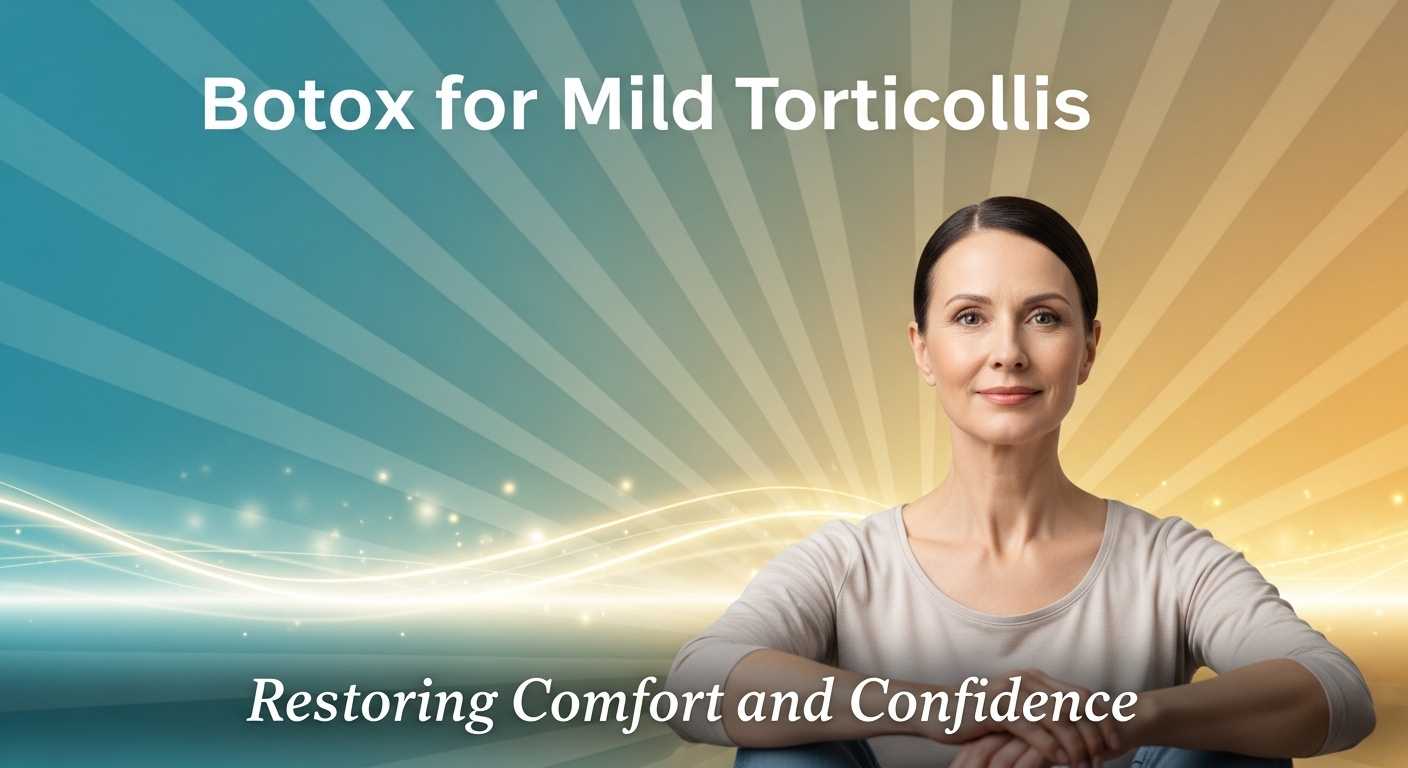
Botox for Mild Torticollis: Restoring Comfort, Dignity, and Daily Life
Botox for mild torticollis has redefined the way physicians and patients approach one of the most frustrating neuromuscular conditions. Torticollis, also known as spasmodic torticollis or cervical dystonia, is characterized by involuntary contractions of the neck muscles, which force the head into unnatural positions. While medications and physical therapy have long been standard treatments, they often provide limited relief. Surgery, on the other hand, feels too extreme for https://www.drmaniarash.commild cases.
This is where Botox for mild torticollis enters as a breakthrough therapy. By temporarily blocking overactive nerve signals, Botox calms spasms and restores mobility without systemic side effects. Its minimally invasive nature allows patients to avoid long recovery times while regaining confidence in daily activities like driving, working, or simply enjoying a conversation without distraction.
The value of this therapy extends beyond symptom control. It gives patients back their sense of dignity, reducing the emotional burden of unwanted movements and social self-consciousness. In this way, Botox is not only a medical intervention but also a life-changing partnership between modern science and compassionate care.
🌸 Living With Mild Torticollis: More Than Just a Medical Condition
Imagine waking up with your head tilted to the side, not because you chose to, but because your muscles decided for you. For many with mild torticollis, this is a daily reality. The condition does not always cause unbearable pain, yet it disrupts life in subtle but significant ways. Reading a book can strain the eyes and neck; holding conversations may feel awkward; driving can be uncomfortable or even unsafe.
Patients often describe the frustration of being misunderstood — friends may assume they are tense, stressed, or inattentive when, in fact, their body is simply not cooperating. These invisible struggles highlight why awareness matters. Mild torticollis is not just a quirky posture; it is a neurological condition that deserves empathy and effective treatment.
💡 What Is Mild Torticollis?
Mild torticollis, also known as spasmodic torticollis or cervical dystonia, is a condition in which the neck muscles contract involuntarily, causing the head to twist or tilt in an unnatural position. For patients, this can feel like their body is moving against their will. Sometimes the head pulls slightly to one side, sometimes it rotates or tilts forward, and in other cases, it may even jerk unexpectedly. While the word “torticollis” may sound intimidating, in its mild form, the condition is manageable and responds well to modern therapies such as Botox for mild torticollis.
For everyday life, even mild torticollis can be disruptive. Patients may notice difficulty keeping their head straight while reading, discomfort while driving, or fatigue from holding muscles tense for long periods. Beyond the physical strain, there is often an emotional burden: embarrassment in social interactions, frustration with chronic discomfort, or anxiety about being misunderstood. These human experiences are as real as the muscle spasms themselves, and addressing them requires a compassionate, patient-centered approach.
From a medical perspective, torticollis is a form of focal dystonia — a neurological condition where abnormal signals from the brain cause muscles to overfire. Traditional medications often provide only partial relief and can carry systemic side effects. That is why modern clinicians, including specialists like Dr. Mani Arash Rad, increasingly turn to targeted treatments such as Botox injections. By calming the overactive muscles, these injections not only reduce pain and abnormal postures but also restore dignity, independence, and confidence in daily life.

⚖️ Traditional Treatments and Their Limits
Historically, physicians relied on oral medications such as muscle relaxants, anticholinergics, or benzodiazepines to manage torticollis. While sometimes effective, these drugs often come with systemic side effects like drowsiness, confusion, or dependency. Physical therapy and stretching provide temporary relief but rarely address the underlying misfiring of nerve signals.
Surgical options, including selective denervation or deep brain stimulation, are reserved for severe cases. For patients with mild torticollis, these approaches are disproportionate. What was missing in the treatment landscape was a middle path: a therapy strong enough to control symptoms but gentle enough to avoid systemic risks.
That middle path is now clear: Botox for mild torticollis.
🔬 How Botox for Mild Torticollis Works
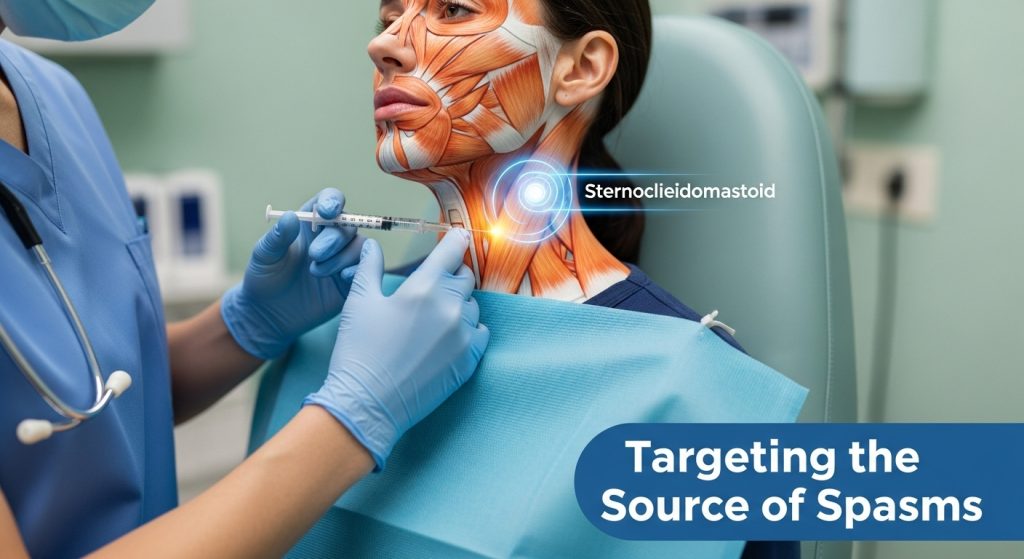
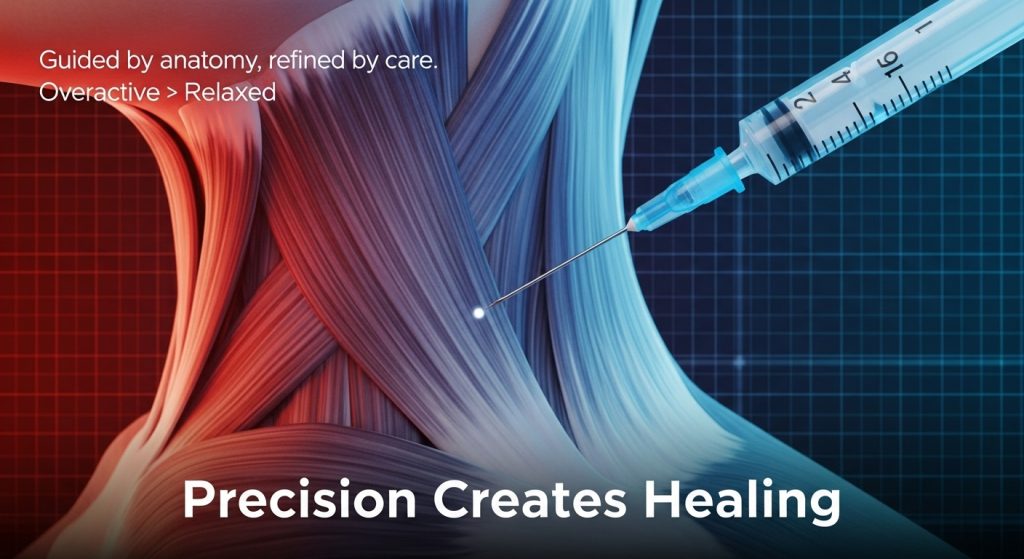
Botox is a neuromodulator derived from botulinum toxin, carefully purified for therapeutic use. When injected into overactive neck muscles, it blocks the release of acetylcholine — the chemical messenger responsible for muscle contraction. This relaxation reduces spasms, restores head position, and alleviates pain.
The effects are localized, meaning only the injected muscles are affected. This minimizes systemic side effects and provides precise control. Within days, patients notice improvement, and results typically last three to four months. Repeat treatments help maintain comfort and function.
What makes Botox for mild torticollis remarkable is its adaptability. Doses and injection sites can be customized to each patient’s pattern of muscle involvement, ensuring both safety and efficacy.

🌍 Patient Journeys: Finding Relief and Renewal
A 42-year-old teacher recalled how her mild torticollis made it difficult to maintain eye contact with students. After starting Botox for mild torticollis, she described her life as “finally aligned again,” noting not just physical relief but improved confidence in the classroom.
Another patient, a 35-year-old graphic designer, said he stopped attending social events because of embarrassment over his tilted head. Post-treatment, he found himself re-engaging with friends, describing Botox as “a quiet gift that gave me my life back.”
These stories reveal that treating torticollis is not about vanity but about restoring dignity.
📊 Clinical Evidence and Guidelines
Research strongly supports the use of Botox for mild torticollis. Clinical trials demonstrate significant reductions in abnormal movements, pain, and disability scores compared to placebo. Guidelines from neurologic societies now list Botox as the first-line therapy for cervical dystonia, including mild cases.
According to the Cleveland Clinic, Botox injections are considered the gold standard for managing focal dystonias, with high safety profiles and predictable outcomes. Similarly, Mayo Clinic emphasizes its role in restoring patients’ quality of life when other therapies fall short.
This evidence reassures both patients and clinicians that Botox is not experimental but established, validated, and effective.
⚠️ Risks, Limitations, and Ethical Considerations
While safe, Botox for mild torticollis has limitations. Results are temporary, requiring repeat treatments every few months. Some patients may experience mild weakness in nearby muscles, temporary soreness, or rare swallowing difficulty. These side effects are usually transient and manageable.
Ethically, physicians must balance hope with honesty. Botox is not a cure but a management tool. Patients should understand the need for ongoing care while appreciating the empowerment it brings in daily life.
💬 Psychological and Social Dimensions
Beyond physical correction, the psychological impact of Botox for mild torticollis is profound. Patients often move from embarrassment to confidence, from social withdrawal to participation. Small physical changes translate into large emotional relief.
This dual benefit — medical and human — exemplifies the future of patient-centered medicine: treating conditions not only to relieve symptoms but to restore dignity and quality of life.

❓ FAQs about Botox for Mild Torticollis
Q: What is Botox for mild torticollis?
It is an injection therapy that relaxes overactive neck muscles, reducing abnormal head positions and pain.
Q: How long do results from Botox for mild torticollis last?
Most patients experience relief for 3–4 months before retreatment is needed.
Q: Is Botox for mild torticollis safe?
Yes. It targets specific muscles and avoids systemic side effects of medications.
Q: Can Botox cure mild torticollis?
No. It manages symptoms effectively but requires repeat treatments for ongoing benefit.
Q: Who benefits most from Botox for mild torticollis?
Patients with mild cervical dystonia are seeking relief without systemic medications or invasive surgery.

🌟 Why Trust Dr. Mani Arash Rad?
Dr. Mani Arash Rad, a leading surgeon and therapeutic Botox specialist in Tehran, has extensive experience treating both aesthetic and medical conditions. His expertise with Botox for mild torticollis reflects a commitment to patient-centered care that blends scientific precision with compassion.
📍 Address: Tehran, Iran, Saadat Abad, Sarv Gharbi, Bakhshayesh St., Fifteenth Street West, Sinam Medical Building, Third Floor, Unit 11
📞 Contact numbers:
02122364547
02126760580
09197890709
🕒 Working hours: Saturday, Monday, and Wednesday — 3:00 pm to 8:00 pm
💬 WhatsApp: 09197890709
🌐 Website: www.drmaniarash.com