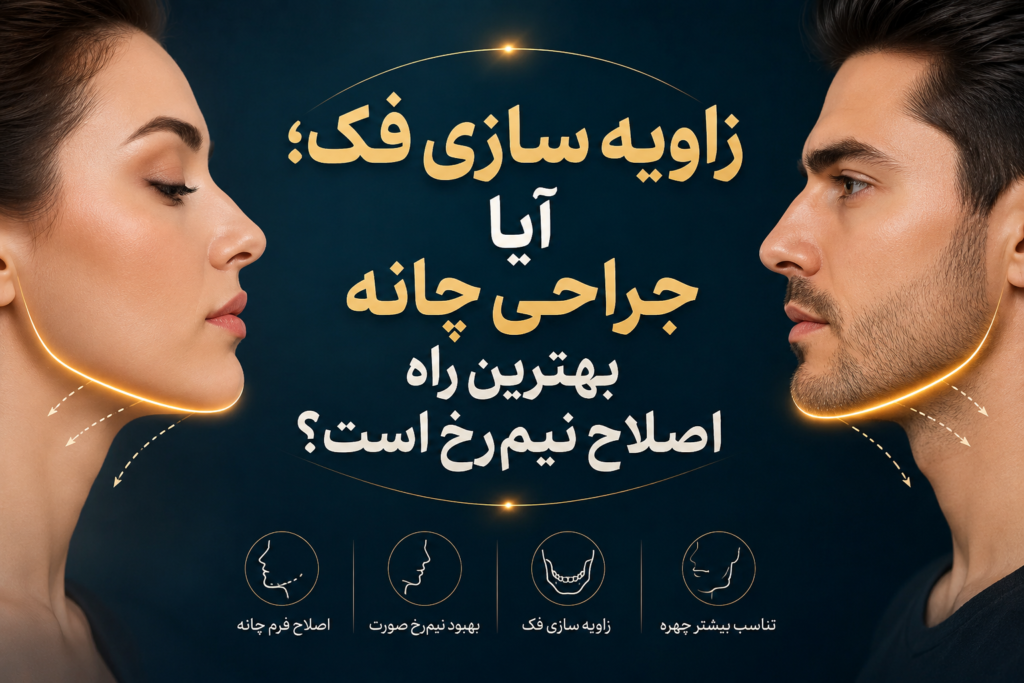
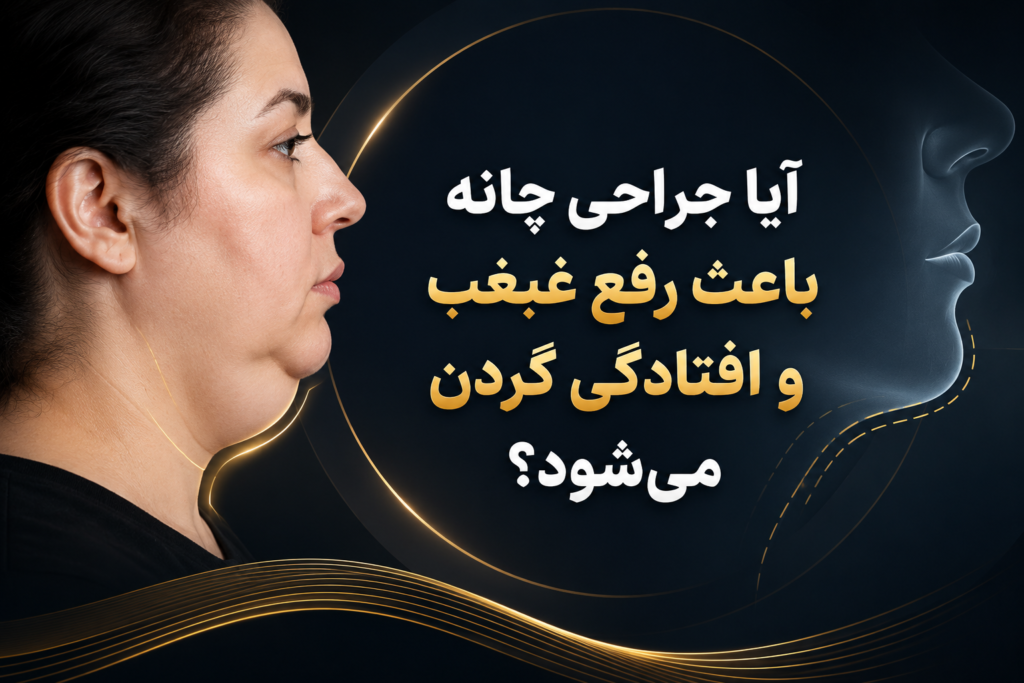
Maxillomandibular surgery represents one of the most transformative fields within facial skeletal medicine. While many people associate this procedure with aesthetic reshaping, its true purpose is far deeper: restoring balance to how a person breathes, chews, speaks, sleeps, and interacts with the world. When the upper jaw (maxilla) and lower jaw (mandible) do not align properly, a cascade of functional problems can follow — from chronic headaches and sleep apnea to difficulty biting and long-term dental wear.
Modern maxillomandibular surgery merges science, engineering, and artistry. Specialists use advanced imaging techniques, 3D simulations, and minimally invasive osteotomy methods to reposition the jaws with precision measured in millimeters. These subtle adjustments can dramatically change the facial profile, airway dimensions, and bite mechanics. Perhaps most importantly, the surgery restores harmony between the skeletal framework and the soft tissues that shape facial expression.
Patients often pursue this surgery due to functional limitations, but many report emotional transformation as well. They describe breathing more freely, speaking more comfortably, and smiling more confidently. In this sense, maxillomandibular surgery is not only reconstructive — it is restorative. It reconnects patients with their natural anatomy, allowing them to live without the silent limitations that misaligned jaws can impose.
What you read in this article
😊 What Is Maxillomandibular Surgery?
Maxillomandibular surgery is the medical term for procedures that reposition the upper and lower jaws to correct skeletal misalignment. It is performed by oral and maxillofacial surgeons when orthodontics alone cannot fix problems involving the bone structure.
A misaligned jaw does not simply affect aesthetics. It changes the mechanics of chewing, breathing, and even speech clarity. When the jaw bones sit too far forward, backward, upward, or downward, the body compensates, often at the cost of comfort and long-term health.
This is why specialists focus on both functional and aesthetic outcomes. A well-balanced jaw enhances the airway, protects the teeth, improves bite force distribution, and brings facial proportions into harmony. Patients frequently express relief after surgery, saying that everyday activities suddenly feel “natural” in a way they had never experienced.

✨ The Upper Jaw: Understanding Maxillary Surgery
The upper jaw plays a crucial role in facial balance, nasal breathing, and tooth alignment. When it sits too far back, too far forward, or grows asymmetrically, the entire midface appearance shifts.
Maxillomandibular surgery involving the maxilla often involves a Le Fort I osteotomy, a controlled surgical cut that allows the surgeon to reposition the midface with extreme precision. Adjustments of even 2–3 mm can expand the airway, enhance nasal breathing, and bring symmetry to the smile arc.
Patients with maxillary issues often struggle with crossbites, difficulty biting into foods, or narrow palates, all of which affect both chewing and speech. After surgery, the change is described as “effortless.” The way the teeth meet, the openness of the airway, and the relaxation of the facial muscles improve simultaneously.
💬 The Lower Jaw: Mandibular Repositioning Explained
The lower jaw is the foundation of the face, influencing not only chewing but also posture, breathing, and the shape of the neckline. When the mandible is too long, too short, or asymmetrical, the body compensates through muscle tension, altered head posture, and grinding. In maxillomandibular surgery, mandibular osteotomy allows the surgeon to move the mandible forward or backward, or rotate it, to correct asymmetry. This realignment often relieves TMJ discomfort, opens the airway, and improves facial proportion, especially the chin and jawline.
Patients frequently report an unexpected benefit: a relaxed sensation in the cheeks, temples, and neck, as the muscles no longer strain to stabilize an imbalanced jaw.
🌟 When Upper and Lower Jaw Surgery Work Together

The most powerful results often come from bimaxillary procedures, where both the upper and lower jaws are moved in harmony. This combined approach balances the bite, repositions the airway, and creates symmetry throughout the facial structure. With advanced 3D planning, surgeons can visualize the final facial shape, bite alignment, and breathing space before even entering the operating room. This precision makes maxillomandibular surgery one of the safest and most predictable skeletal procedures in facial medicine.
Patients often say the surgery gave them a “new relationship” with their face — breathing easier, speaking clearly, and smiling more freely.
🔬 How Maxillomandibular Surgery Is Performed
The procedure follows a carefully orchestrated sequence:
✨ Comprehensive evaluation with CT scans, orthodontic planning, and digital bite analysis
✨ 3D simulation to visualize jaw movements and predict soft-tissue changes
✨ General anesthesia for complete comfort
✨ Intraoral incisions (no visible scars)
✨ Precise bone repositioning guided by digital measurements
✨ Titanium plates and screws to stabilize the new jaw structure
✨ Post-operative monitoring of airway, bite, swelling, and healing
The combination of digital planning and microsurgical precision means patients typically experience faster recovery and more stable long-term results than older surgical techniques.

🌿 The Functional Benefits
Patients seeking maxillomandibular surgery often struggle with issues that go beyond appearance:
✨ Difficulty chewing certain foods
✨ Chronic headaches or muscle tension
✨ TMJ discomfort
✨ Speech challenges
✨ Mouth breathing or sleep apnea
✨ Premature dental wear
When the jaw bones return to their ideal positions, these problems often diminish dramatically. Many patients describe finally sleeping through the night without obstruction or waking up without facial tension for the first time in years.
💫 The Aesthetic Transformation

Beyond medical improvements, maxillomandibular surgery creates profound aesthetic changes. A balanced jawline, aligned chin, harmonious midface, and proportional smile all emerge naturally from skeletal correction. Patients often note that their face looks more relaxed, confident, and symmetrical — not artificial or “operated.” The key is that the changes come from restored bone alignment, not fillers or surface-level alterations. This is why surgeons consider the procedure one of the most authentic forms of facial enhancement — it restores natural proportions rather than creating new ones.
🌙 Recovery: What Patients Can Expect
The recovery period is structured and supported: early swelling, soft diet, gentle jaw exercises, and follow-up visits ensure stability. Most patients return to daily tasks within weeks, gradually progressing to normal chewing and physical activity. The emotional recovery is equally important; patients often describe moments of rediscovery as their new facial balance becomes part of their identity.
⚠️ Considerations and Safety
Like any major surgery, maxillomandibular surgery carries risks, including swelling, temporary numbness, and changes in the sinuses. However, with proper planning, experienced surgical teams, and 3D-guided techniques, complications are rare and usually temporary. Patient selection, psychological readiness, and post-surgical commitment are essential for the best outcomes.

❓ FAQs About Maxillomandibular Surgery
What is maxillomandibular surgery?
It is a corrective procedure that repositions the upper and lower jaws to restore function and facial harmony.
How long is the recovery?
Initial healing takes a few weeks, with full stabilization occurring over several months.
Does surgery change my appearance?
Yes — but naturally. Facial balance improves without looking artificial.
Is the procedure painful?
Discomfort is mild to moderate and managed with medication.
Who is a good candidate?
Patients with jaw misalignment, functional limitations, or airway restrictions.
🌟 Why Trust Dr. Mani Arash Rad?

Dr. Mani Arash Rad is a leading facial surgeon in Tehran known for combining surgical precision with artistic insight. His expertise in facial anatomy, jaw biomechanics, and aesthetic harmony ensures that each maxillomandibular surgery achieves both functional excellence and natural beauty.
📍 Address: Tehran, Saadat Abad, Sarv Gharbi, Bakhshayesh St., Fifteenth Street West, Sinam Medical Building, 3rd Floor, Unit 11
📞 Contact: 02122364547 — 02126760580 — 09197890709
🕒 Hours: Saturday / Monday / Wednesday — 3 PM to 8 PM
💬 WhatsApp: 09197890709
🌐 Website: www.drmaniarash.com