
Upper eyelids: skin, brow position and ptosis are different questions
The everyday phrase “drooping eyelid” can refer to extra skin, a low eyebrow or a low eyelid margin. These are not interchangeable diagnoses. Lifting the brow for a photograph may hide part of the problem. The examination should establish what is responsible before removing skin. The ability to close the eye comfortably and protect its surface matters as much as the visible crease. Explain any dry eye, watery eye, visual symptoms or previous eye treatment during the consultation.
Lower eyelids: bags are not the same as dark circles
Darkness beneath the eyes may reflect pigmentation, thin skin, visible vessels, hollowing or shadows as well as bags. Surgery directed at fat or excess skin cannot be expected to treat every cause. Ask which part of your concern the proposed operation addresses and which part may remain. Lower-lid support and the relationship between the lid and cheek are particularly important when choosing an approach. More tissue removal does not automatically give a better outcome.
Temporal lift, forehead lift or eyelid surgery?
A temporal lift usually focuses on the outer brow region; a wider forehead plan can involve more of the brow and forehead. Blepharoplasty concentrates on the eyelid itself. A combined approach may be considered where separate problems coexist, but each component should have a clear purpose. Ask what the second procedure adds, whether staging is possible and how the combination changes recovery. Do not choose solely by a promised short incision or a fixed number of days off work.
Buccal fat reduction and the changing face over time
Deep cheek fat is only one contributor to a full face. Bone shape, superficial fat, skin and muscle also matter. In a narrow face or someone planning substantial weight loss, reducing volume deserves particular caution. Removed tissue is not comparable to a temporary injectable whose effect simply wears off. At the same time, surgery does not stop ageing or future changes in weight. Discuss the possibility of unwanted hollowing and why the proposed amount of reduction suits your existing anatomy.
Submental liposuction or assessment of the chin?
A recessed chin can make the boundary between the chin and neck look less distinct. Loose skin can also resemble a fat problem. Examination separates these influences before a treatment is recommended. This does not mean that every double chin needs bone surgery. It means that a limited fat procedure should be chosen for a problem it can address. Read about chin surgery and genioplasty if you want to understand how bone position differs from soft-tissue contouring.
Using photographs without expecting an identical face
Lighting, camera distance, makeup, expression and the stage of healing can change the appearance of a result. A useful comparison uses similar conditions and considers more than one view. Ask where a case resembles your anatomy and where it does not. The illustrations in this guide explain regions of treatment; they are not photographs of patient outcomes. You can visit the clinical gallery and bring questions about relevant examples to your appointment.
What does facial cosmetic surgery address?
A tired appearance around the eyes, a low outer brow, full lower cheeks and fullness beneath the chin can have different causes. Skin, fat, muscle and bone all contribute to facial shape. This guide brings together five soft-tissue procedures: upper blepharoplasty, lower blepharoplasty, temporal brow lift, buccal fat reduction and submental liposuction. Each targets a different structure. Removing cheek fat does not narrow the jaw bone, and removing fat beneath the chin does not necessarily correct loose skin. The first step is to identify the source of the concern rather than choose an operation from someone else’s photograph.
Who might benefit from an assessment?
People may ask about skin folding over the upper eyelid, bags below the eyes, heaviness around the outer brows, persistent cheek fullness or a less distinct chin-to-neck contour. These observations do not establish that surgery is needed. Existing dry eye, previous facial procedures, changes in weight, health conditions and expectations can all influence the recommendation. A narrow or already hollow face may be poorly suited to further cheek-volume reduction. Bring ordinary photographs from different years if they help explain the change, and describe which features you would like to preserve as well as what you hope to alter.
What is examined?
The assessment considers the face at rest and in motion. Around the eyes, the surgeon distinguishes extra eyelid skin from a low brow or a problem with the muscle that lifts the eyelid. Lower-eyelid support, puffiness, hollows and the surface of the eye may need separate attention. In the lower face, the examination distinguishes deep cheek fat, superficial fat, skin laxity, muscle bulk and the position of the chin. A concern described simply as a double chin may involve more than fat. Previous fillers, threads or surgery should be discussed, including uncertain details rather than guesses.
When a routine appointment should not wait
Some symptoms need prompt assessment rather than an ordinary appointment. These include rapidly increasing swelling, uncontrolled bleeding, fever with worsening oral symptoms, difficulty breathing or swallowing, and a new problem with sensation or closing the mouth after an injury. Breathing difficulty or severe bleeding requires emergency care. A routine online booking should not delay getting help.
Many questions about appearance and elective surgery are not emergencies. Taking time to understand a proposal is part of making a sound decision. If you are planning around a wedding, examination period or travel date, leave room for healing and follow-up. A personal deadline cannot reliably determine how quickly swelling will settle or when a result is ready to judge.
Making the most of your consultation
Start with the concern that matters most to you. Explain when it began, whether it affects daily life and what change you hope treatment will achieve. Previous treatment, symptoms that come and go, and anything that makes the problem better or worse can be relevant. A short written note often makes the conversation easier than trying to remember every detail at the appointment.
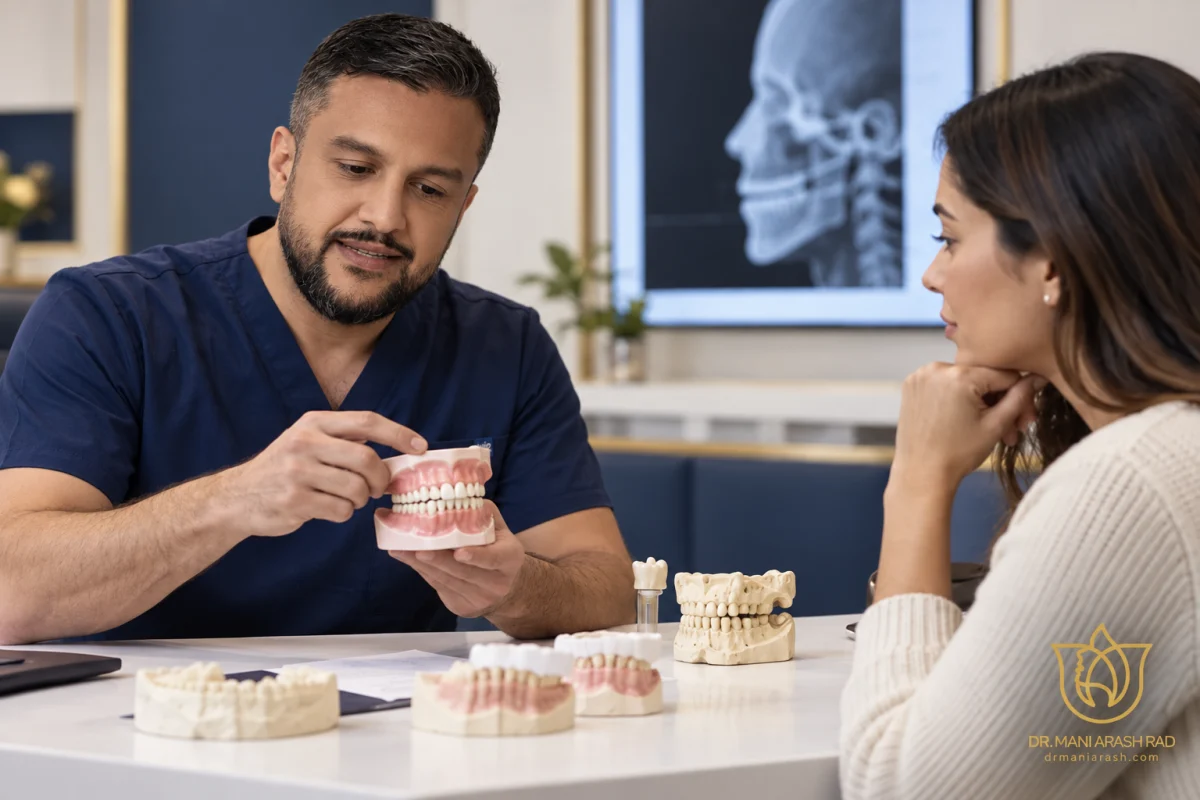
Photographs can help explain an aesthetic preference, but copying another person’s face is not a realistic treatment goal. Ask which features of your own anatomy support the proposed change and which place limits on it. If an explanation is unclear, ask to see it on an image or model. You should understand the reasoning well enough to describe the main options in your own words.
Why your medical history matters
Blood pressure problems, diabetes, heart or lung disease, bleeding conditions, medicine allergies, pregnancy, sleep apnoea, previous operations and a difficult anaesthetic experience can change the plan. Tell the team about prescribed medicines, non-prescription products, supplements and nicotine use. A medicine that seems unrelated to the face can still affect surgery or healing.
Do not stop or change a prescribed medicine on your own. Decisions about blood-thinning medicines or other regular treatment may require coordination with the clinician who prescribed them. Bring an up-to-date list and mention any new illness or medicine before the procedure. Accurate information helps the team decide whether further assessment or a change in timing is needed.
Imaging and digital planning
The type of image should answer a clinical question. An ordinary radiograph may provide enough information in one situation, while a CT scan or three-dimensional study is useful in another. Imaging may clarify the position of nerves, the thickness of bone, tooth roots, sinus anatomy or the relationship of the jaws. More imaging is not automatically better if it does not change a decision.
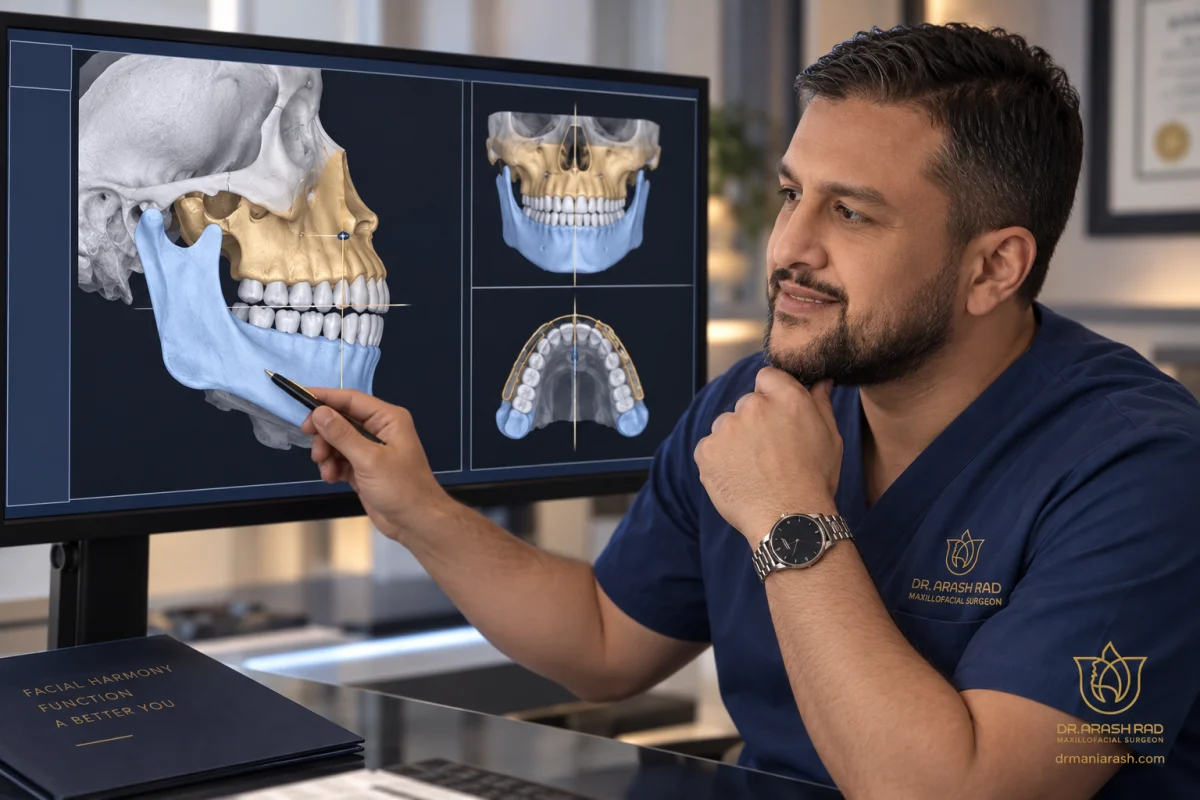
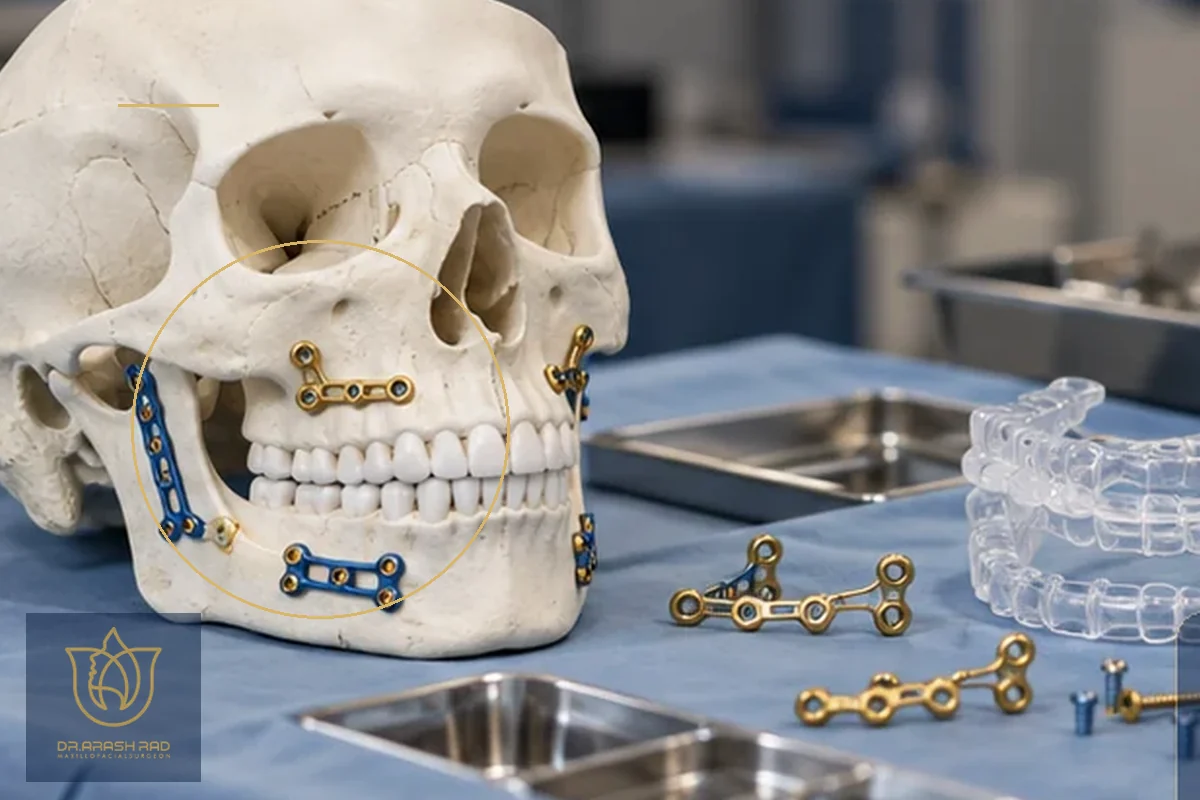
Digital models can support measurement and planning. Some procedures use a cutting guide, splint or custom component. These tools assist the surgeon, but the body is not a fixed computer model. Swelling, bone healing, skin behaviour and natural differences between the two sides of the face affect the result. A simulation helps communicate a goal; it is not a promise of an exact outcome.
Understand the diagnosis before choosing a technique
It is common to arrive with the name of a procedure in mind. The diagnosis still needs to come first. Similar appearances may have different causes, and an operation aimed at the wrong structure may make little difference or create an imbalance. Sometimes a smaller treatment is enough; sometimes a broader problem involving the bite or other structures needs attention.
A useful plan explains the main objective, the structures that will change, what is unlikely to change and the alternatives. It should also explain what may happen without treatment. Ask why a particular option is recommended over another. Complexity does not automatically mean quality, and a less invasive approach does not always provide the change a person needs.
Treatment options and alternatives
Upper blepharoplasty addresses suitable excess tissue of the upper eyelid. Lower blepharoplasty considers bags, skin and the transition between the lid and cheek; fat may be repositioned in selected plans rather than simply removed. A temporal brow lift focuses on the outer brow and neighbouring tissues. Buccal fat reduction changes a limited deep fat compartment in the cheek through an intraoral approach. Submental liposuction reduces appropriate fat beneath the chin. None is a universal treatment for every sign of ageing, every dark circle or every broad jawline. Observation, a different treatment or no intervention may be preferable.
Preparing in the weeks before surgery
Once a plan is agreed, the team provides instructions about tests, imaging, other consultations and medicines. Think practically about the early recovery period: help at home, suitable food, transport and time away from work or study. Arrange these around the advice for your operation rather than a generic timeline. Buying additional medicines or expensive recovery equipment without a recommendation is usually unnecessary.
Smoking, vaping, shisha and other nicotine exposure may interfere with healing. Discuss what changes are needed and when with the treating team. If you develop a cold, fever or another illness, tell the clinic before attending. Follow the centre’s fasting instructions precisely. Do not assume that fasting for longer or having a small snack outside the instructions is harmless.

What happens on the day of surgery
Before a procedure begins, the team checks identity, the planned operation, relevant allergies and fasting status. Local anaesthesia, sedation or general anaesthesia is selected according to the procedure and the person’s health. This is a chance to clarify remaining important questions, but unplanned last-minute changes should not be added without proper assessment and discussion.
The time spent at the treatment centre is longer than the operation itself. Admission, preparation, recovery and the checks needed for safe discharge all take time. Some operations require a hospital stay. After the procedure, staff assess breathing, pain, bleeding, nausea and general condition. Wait for permission before taking your own medicines, food or drinks.
How the procedure is planned
Incision position, tissue handling and the extent of treatment depend on the individual plan. A natural eyelid crease may help conceal an upper-eyelid incision; lower-eyelid access may be internal or near the lash line where appropriate. Temporal-lift access takes account of the hairline and the direction of movement. Buccal fat surgery is approached through the mouth, near important salivary and nerve structures. Small access points for liposuction still require careful work to maintain an even contour. Ask the surgeon to explain the purpose of each step at the level useful for your decision. A small incision does not mean a procedure is risk-free.
The first days at home
Experiences differ even after procedures with the same name. Swelling, bruising, tightness, tiredness or reduced appetite can occur. The aim is not to endure every symptom without help: follow the prescribed care and contact the team if the course differs from what they explained. Discharge instructions should say what is expected and which changes need attention.
Keep a simple record of medicine times, fluid intake and questions. Rest is important, but prolonged immobility should not be assumed necessary unless you have been told so. Head position, compresses, bathing and activity restrictions vary between operations. A daily photograph is useful only when requested for follow-up; changes in angle or lighting can create unnecessary worry.
Recovery after facial cosmetic surgery
Early swelling can obscure the change and can differ between the two sides. Eye surgery requires particular attention to the prescribed eye and wound care. Instructions about contact lenses, makeup and exercise should be individual. After buccal fat reduction, oral hygiene and food consistency need attention. A compression garment may be prescribed after submental liposuction; its fit and duration should follow the treating team’s instructions. Do not add massage, home devices or unprescribed products because another patient used them. Sudden loss of vision, severe eye pain or rapidly increasing swelling after eye surgery needs urgent assessment.
Pain, swelling and bruising
Pain should be manageable with the prescribed plan. New, severe or increasing pain, particularly with fever, discharge, a bad smell or worsening one-sided swelling, needs advice from the treating team. Swelling may become more noticeable during the early recovery period before it gradually settles, but its timing depends on the operation.
Do not add an antibiotic, steroid or extra pain medicine without checking. Some over-the-counter products contain the same active ingredient as a prescribed medicine, so combining them can lead to an unintended dose. If pain relief is inadequate or a medicine causes problems, contact the clinic so that the plan can be reviewed rather than improvising a replacement.
Food and fluids during recovery
Food needs to suit any chewing restriction while still providing enough energy and protein. A liquid or soft diet may be advised for a period before a gradual return to ordinary textures. The steps depend on the surgical site and healing, so a friend’s diet after another operation may not be suitable for you.
Very hot drinks, crunchy or spicy foods and using a straw may be unsuitable after some oral procedures. Follow your own instructions about these details. Let the team know if swallowing is difficult, nausea continues or you cannot take enough fluid. Explain dietary needs or a medical condition that affects eating before surgery so that the plan is practical for you.
Looking after the mouth and surgical site
Keeping the mouth clean helps reduce the burden of bacteria, but brushing and rinsing must be adapted to the incision and sutures. Water pressure, mouthwash or touching the wound can be inappropriate at some stages. Follow the timing and method on your discharge instructions instead of beginning an internet routine immediately after surgery.
Dissolving stitches do not necessarily mean that no follow-up is needed. Ask what the wound should look like, how to clean around it and when the team expects to review it. Avoid pulling at sutures or trying to adjust a dressing yourself. If something feels loose or looks different from the explanation you received, ask the treating team what to do.

Returning to work, driving and exercise
Returning to normal activity depends on more than pain. Sleep quality, concentration, medicines, the risk of a knock to the face and the demands of your work all matter. Desk work is different from heavy physical work or contact sport. Plan a range rather than a fixed promise and allow some flexibility if recovery takes longer than expected.
Driving requires appropriate alertness and consideration of any medicines that cause drowsiness. Ask the team when it is suitable for you. Swelling or bruising may remain visible when you return to social activities. Choosing surgery immediately before a major event can put pressure on you to rush recovery or disguise symptoms that deserve attention.
Follow-up is part of the treatment
Follow-up visits are not only for looking at the final shape. The team may assess wound healing, infection, sensation, movement, the bite or the stability of the treated structure. Advice about diet and activity can change as healing progresses. Keep the appointments even if the early appearance seems satisfactory.
If you live far away, discuss how long to remain near the treating centre and where you would be examined if a problem arose after returning home. Photographs and video calls can support selected follow-up tasks, but they cannot replace every physical examination. Have the contact details and the next appointment date before you leave the centre.
Risks and limitations without unrealistic promises
A list of possible complications does not mean they will all happen. Individual risk depends on the operation, anatomy, general health, treatment setting and the recovery plan. Informed consent means having enough time to ask about significant risks, how they might be recognised and what would be done if they occurred.
No operation guarantees perfect symmetry or removes every chance of further treatment. Living tissue heals, forms scars and changes over time. If a small correction is being considered, the right time to decide often comes after the initial healing phase, unless there is an urgent medical problem. Before-and-after photographs alone are not a complete measure of treatment quality.
Risks to discuss for this treatment
General risks include bleeding, infection, scarring, altered sensation, asymmetry, dissatisfaction and further treatment. Eyelid-specific concerns include dry eye and changes in lid position. A brow lift can involve changes in scalp sensation, hair or nerve function. Buccal fat surgery can injure neighbouring structures or remove too much volume. Liposuction can leave contour irregularity or skin changes. Risk depends on anatomy, health and the procedure; a promised exact result or a claim of no complications does not replace an informed discussion. Ask how concerns will be assessed and who to contact outside routine clinic hours.
When to contact the team promptly
Follow your discharge instructions for urgent contact. Important concerns include difficulty breathing, uncontrolled bleeding, rapidly worsening swelling, fever, offensive discharge, severe or increasing pain, persistent vomiting or inability to drink. Sudden changes in vision, alertness, movement or sensation also require prompt assessment.
Do not dismiss a concerning symptom simply because discomfort is common after surgery. Equally, an online photograph cannot reliably tell whether a wound is infected or whether a change is normal. Explain what has changed, when it started and any accompanying symptoms. For breathing difficulty or another emergency, seek emergency care rather than waiting for a routine message response.
What a natural result means
A natural-looking result is considered in the context of the whole face, not one feature viewed in isolation. Function, tissue support, facial proportions and the person’s own priorities matter together. Removing more tissue or making a more dramatic change is not automatically the best way to create balance.
Before surgery, agree on the change you are actually seeking and the limitations of the proposed approach. Results should be assessed at a suitable stage of healing, with comparable views where photographs are used. Early swelling can hide or exaggerate differences. Try to separate an agreed treatment goal from the pressure to match an edited social-media image.
Understanding a cost estimate
A meaningful estimate follows the assessment and a clear description of the procedure. Costs may involve the surgeon, anaesthesia, treatment facility, tests, imaging and any equipment or implants. Ask whether the quoted amount includes routine follow-up, medicines or other expected expenses. A single headline price may not describe the whole course of care.
If additional treatment or a revision became necessary, ask how that situation would be handled. Compare what is included and the reasons for the plan rather than selecting a procedure on price alone. A discount or a limited booking window should not replace time to understand the options, the recovery arrangements and the qualifications of the treating team.
Preparing your home for recovery
Before the operation, organise a comfortable sleeping space, suitable food, the recommended hygiene supplies and easy access to contact numbers. Arrange reliable help for the first days if advised. If children, an older relative or a pet depend on you, plan assistance so that you do not have to lift or resume demanding tasks too soon.
Comfortable clothing, a clean towel and a folder for prescriptions and discharge papers can be useful. Buy the supplies your team recommends rather than an elaborate collection promoted online. A simple written medicine schedule can help prevent missed or repeated doses. Keep the information somewhere that your helper can find it if you need support.
Sleep, rest and tiredness
Sleep may be interrupted in the first nights by swelling, congestion, a different head position or worry. Follow the advice for your procedure and ask if the recommended position is uncomfortable. Support should be practical, not an improvised arrangement that causes neck pain. If you use a device for sleep apnoea, discuss how it should be managed after surgery before the operation takes place.
Tiredness can follow anaesthesia and reduced food intake, but the overall course should be discussed with the team. Break tasks into manageable periods, maintain fluids as advised and return to activity gradually. Do not attribute severe drowsiness, confusion, increasing weakness or breathlessness to ordinary fatigue without seeking medical advice.
Taking medicines safely
Read the medicine name, dose and interval from your prescription. If a dose is missed, do not automatically double the next one. Antibiotics should be taken only when prescribed and according to that plan. Tell the team about a rash or other suspected reaction; swelling of the lips or tongue and breathing difficulty require urgent action.
Nausea, constipation, sleepiness or stomach discomfort may be related to a medicine. Reporting these problems allows the prescription to be reviewed if necessary. Herbal supplements and apparently simple non-prescription products can also matter around surgery. Keep an accurate list of everything you take and show it at each relevant appointment.
Travelling from another city or country
Plan more than the day of surgery. An in-person examination, additional tests or a change in the proposed approach may be needed before treatment. After surgery, remain close to the treating centre for the period the surgeon recommends. A non-changeable ticket and an early departure can create pressure to leave before the planned review.
Ask about your companion’s arrangements, the first follow-up visit, flights, long drives and lifting luggage. Carry your prescription, a treatment summary and contact details when appropriate. Before returning home, clarify how a local clinician could contact the original team if you needed an examination. Remote follow-up is useful in selected circumstances, but it cannot diagnose every complication.
Privacy and clinical photographs
Clinical photographs can be valuable for planning and follow-up. Public or educational use is a separate matter and should be discussed clearly. Before agreeing to publication, ask where an image may appear, whether you will be identifiable and how to change your preference for future use. Consent to an operation is not automatically consent to advertising.
When sending images, use the contact channel identified by the clinic and avoid including unnecessary personal information. Consistent lighting and position are more helpful for assessment than filters or retouching. An image from a previous case can support a discussion, but it does not guarantee that another person will heal or look the same way.
When a second opinion can help
For elective surgery, particularly a complex, costly or multi-stage proposal, a second opinion can help clarify the decision. Bring the complete records and ask the second clinician to explain the diagnosis and options independently. Different recommendations are not always evidence of an error; sometimes they reflect reasonable approaches with different priorities.
If the diagnoses differ substantially, ask what findings support each conclusion. The aim is to understand the choice, not to collect a series of short price quotations. Keep your records and give yourself time to think. Feeling uncertain is a reason to ask more questions, rather than agreeing because of a deadline or pressure to make a booking.
Revision surgery needs a specific plan
A revision does not always mean that an earlier treatment failed completely. There may be a small residual concern after healing, a complication or a more substantial dissatisfaction. Before deciding, the surgeon needs to understand the previous procedure, the time since treatment, available images and the current condition of the tissues.
Scar tissue or altered bone can make another operation more complex. The timing depends on the problem: an urgent medical issue may need early care, whereas an aesthetic judgement often needs time for swelling and tissues to settle. Describe the specific concern and the improvement you hope to achieve. Repeated operations should not become a search for an unattainable perfect image.
A personal plan is different from a general guide
Online information describes common patterns. Your instructions depend on age, health, work, travel distance, the extent of the procedure and the response in the first days. Two people undergoing an operation with the same name may receive different dietary or exercise advice. That difference can be appropriate and is not a reason to substitute another person’s instructions for your own.
A good plan also needs to be workable. If a medicine is unavailable, a diet conflicts with another condition or you cannot attend a proposed visit, say so before surgery. The team may be able to suggest a practical alternative. Hiding a difficulty does not remove it; it can make an already demanding recovery period harder to manage.
Deciding whether this is the right time
Elective treatment should fit a considered decision, not a moment of pressure. Discuss concerns about your appearance openly, including any outside pressure or expectation that surgery will solve unrelated problems. The conversation is intended to align what you hope for with what treatment can realistically offer.
Sometimes allowing more time, postponing an operation or obtaining an independent opinion improves the decision. You should be able to explain why you want the change, understand the likely recovery and accept the main limitations. If those points are still unclear, another conversation is more useful than rushing to choose a date.
Common questions before deciding
Does everyone who asks about this procedure need an operation? No. The examination may point towards observation, a non-surgical treatment or no intervention. It may also identify a different problem from the one you initially suspected. A useful consultation explains that distinction and the reasons for the recommendation. It should leave you better informed even if you decide not to proceed.
Can I choose my treatment from a before-and-after photograph? A photograph is one piece of information, not a complete assessment. It does not show the whole medical history, the examination, every view or every stage of healing. Ask what makes the example relevant to your anatomy and where the comparison stops being useful. Similar-looking concerns may need different approaches.
What if I am not ready to make a decision at the first visit? Take time to review the explanation and write down remaining questions. Elective surgery should follow an informed choice. If you are unsure about the purpose of a movement, the extent of a change or the practical arrangements for recovery, another discussion is more useful than making an uncertain commitment.
Can several facial procedures be combined? A combined plan is considered only after the relationship between the concerns has been assessed. More treatment is not automatically better. Ask what each component adds, how it changes the anaesthesia and recovery, and whether doing things separately is an option. The proposal should have a clear reason for each part.
How should I explain dissatisfaction after treatment? Describe the specific issue, when you noticed it and whether it is changing. Distinguish pain or a functional difficulty from a concern about the early appearance. The treating team can assess it in the context of healing. Do not delay reporting an urgent symptom while waiting for a routine cosmetic review.
What information should be written down before I go home? Keep the medicine instructions, wound-care advice, food and activity restrictions, the date of the next visit and the appropriate contact number. Make sure you understand when to call urgently and which service to use outside clinic hours. Ask your companion to hear the instructions too if that would help.
Will my plan be the same as someone else’s? Not necessarily. The extent of the procedure, health conditions, previous treatment and response during recovery can all affect instructions. Do not change your own plan because another patient returned to exercise or eating sooner. If the difference worries you, ask the team to explain the reason for your restrictions.
Where can I read more before the appointment? The related articles below provide background on the topic, while the professional patient-information links offer another starting point. Keep the questions that arise as you read. The purpose is to prepare a better conversation about your own situation, rather than to diagnose yourself from a general description.
Questions to take to your appointment
Ask what is causing the concern, whether it needs treatment and which options are suitable. Ask what the proposed operation can change, what it cannot change, and which structures are relevant to the risks. You can also ask how the recommendation would differ if you chose to wait.
Discuss anaesthesia, the treatment setting, support at home, time away from work, food and oral hygiene, the first follow-up visit and the symptoms that need urgent contact. Ask for a written estimate and clear instructions. These practical questions help turn a general explanation into a plan you can follow.
Read related English articles or contact the clinic to arrange a consultation.
Further reading
Questions about Facial cosmetic surgery?
An examination helps identify what is relevant to your situation. Ask about suitable options, their limitations, recovery and follow-up before deciding.
Contact the clinic →